 Posted by
 The Lichtentaler Allee is the most famous park and promenade in Baden-Baden. Stretching along the small Oos River, it connects many of the city’s key sights and reflects Baden-Baden’s long history as a spa and garden city. More than just a park, the Lichtentaler Allee is a central part of daily life in Baden-Baden and one of the most pleasant urban green spaces in Germany.
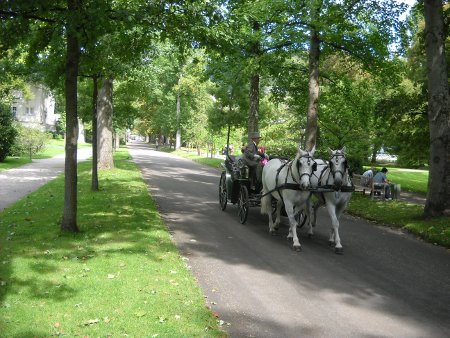
This in-depth English travel guide explains what the Lichtentaler Allee is, why it is important, what you can see along the way, and how to include it in your sightseeing plans. The focus is on clear, practical information for visitors.
Tours & experiences in Baden-Baden & the Black Forest
Guided walks, cultural tours, and nature experiences in Baden-Baden and the Black Forest:
What is the Lichtentaler Allee?
The Lichtentaler Allee is a landscaped park avenue that runs for about 2.3 kilometers through Baden-Baden. It follows the course of the Oos River and links the historic spa district with residential areas and cultural institutions.
Unlike a formal city park with fences or fixed entrances, the Lichtentaler Allee feels like a natural extension of the city. Locals use it daily for walking, jogging, and relaxing, while visitors experience it as a calm green corridor connecting major sights.
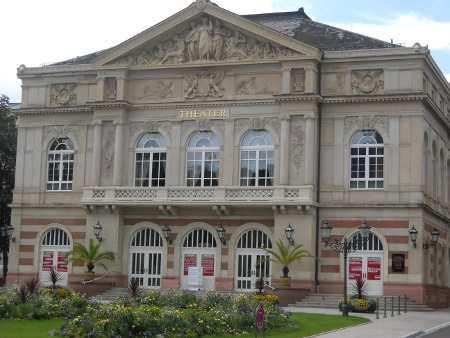
Where is the Lichtentaler Allee located?
The park begins near the Kurhaus and the Trinkhalle (Drinking Hall) and extends south toward the Lichtental district. Along the way, it passes museums, historic villas, gardens, and quiet residential streets.
- Central Baden-Baden location
- Easy walking distance from spa sights
- Flat paths suitable for all ages
This makes the Lichtentaler Allee ideal both as a destination and as a scenic route between attractions.
Historical background
The origins of the Lichtentaler Allee go back to the 19th century, when Baden-Baden developed into one of Europe’s most important spa towns. At that time, spa guests valued calm walks in landscaped gardens as part of their health routine.
The Allee was designed to provide:
- Fresh air and gentle movement
- Elegant surroundings for social interaction
- A visual connection between nature and architecture
Over time, the park expanded and evolved, but its basic concept has remained unchanged: a green promenade that supports both health and leisure.
Why the Lichtentaler Allee is important for Baden-Baden
Baden-Baden’s identity is closely tied to spa culture, wellness, and refined leisure. The Lichtentaler Allee represents these values in a very accessible way.
Its importance lies in:
- Connecting key sights without traffic
- Providing a continuous green space through the city
- Preserving the historic spa-town atmosphere
For visitors, walking along the Allee helps to understand Baden-Baden as more than just a collection of individual attractions.
The Oos River – a defining element
The small Oos River runs alongside much of the Lichtentaler Allee. It is not a dramatic river, but it plays a major role in the park’s atmosphere.
- Gentle flowing water
- Small bridges and riverbanks
- Wildlife such as ducks and small birds
The river creates a sense of continuity and calm, especially on warm days when the water reflects trees and historic buildings.
Key sections of the Lichtentaler Allee
Kurhaus & Trinkhalle area
The northern end of the Lichtentaler Allee begins near the Kurhaus and the Trinkhalle. This section is the most formal and historic part of the park.
Nearby sights include:
- Baden-Baden Drinking Hall (Trinkhalle)
- Casino Baden-Baden
- Kurpark lawns and flower beds
This area is often busier, especially during the day, but it sets the tone for the rest of the walk.
Museum Mile
As you move south, the Lichtentaler Allee passes several important cultural institutions. This section is sometimes referred to as a “museum mile”.
Notable stops include:
- Frieder Burda Museum
- State Art Gallery / Kunsthalle
This makes it easy to combine a park walk with a museum visit without using public transport.
Residential and villa section
Further along, the park becomes quieter. Historic villas line the edges, many dating from the late 19th and early 20th centuries.
This section offers:
- Less tourist traffic
- More shade and calm
- A glimpse into Baden-Baden’s residential elegance
Lichtental district
The southern end of the Allee reaches the Lichtental district. Here, the park blends more naturally into residential streets and everyday local life.
Many visitors turn around before reaching this point, but continuing the walk gives a fuller impression of the park’s length and variety.
Gardens, trees & seasonal changes
The Lichtentaler Allee is carefully maintained throughout the year. Its appearance changes significantly with the seasons.
Spring
- Flower beds in bloom
- Fresh green foliage
- Popular walking season
Summer
- Dense tree shade
- Comfortable refuge on hot days
- Benches and lawns heavily used
Autumn
- Colorful leaves
- Calmer atmosphere
- Good light for photography
Winter
- Quiet paths
- Bare trees revealing architecture
- Often combined with spa visits
How long should you plan?
The time needed depends on how you use the Lichtentaler Allee:
- Short walk: 20–30 minutes (Kurhaus area only)
- Leisure walk: 60–90 minutes (one direction)
- Extended visit: Half day (with museums, cafés, or spa stops)
Many visitors walk one direction and return via the same path, enjoying the park from a different perspective.
Online tickets Europapark Rust: The amusement park is located in the west of the Black Forest near the Rhine and the border with France. After Corona, there is a lot going on again at Europa-Park Rust. Many visitors are therefore buying tickets online in advance at a lower price: >>> You can buy tickets online on the well-known ticket website Getyourguide
Best way to experience the Lichtentaler Allee
On foot
Walking is by far the best way to experience the park. The paths are wide, flat, and well maintained.
With breaks
Benches are placed regularly along the route. Taking time to sit and observe daily life adds to the experience.
As a connecting route
The Lichtentaler Allee works perfectly as a scenic link between attractions rather than as a separate “must-see” stop.
Accessibility
The Lichtentaler Allee is highly accessible:
- Suitable for wheelchairs and strollers
- No steep slopes
- Multiple access points
This makes it one of the most inclusive attractions in Baden-Baden.
Photography tips
The park is ideal for relaxed photography rather than dramatic shots.
- Early morning for empty paths
- Autumn for color contrast
- River reflections for depth
Architecture, nature, and people often combine naturally in photos here.
Combining the Lichtentaler Allee with other sights
Spa combination
A classic Baden-Baden plan is a park walk followed by a thermal bath visit.
Culture combination
- Museum visit along the Allee
- Casino or concert in the evening
Nature & region
- Black Forest overview
- Short hikes on nearby hills
Food & cafés near the Allee
Cafés and restaurants are located near the northern part of the park and in nearby streets. Options range from simple cafés to higher-end dining.
Common misconceptions
“It’s just a park”
While technically true, the Lichtentaler Allee is a key structural element of Baden-Baden’s urban design.
“You need a guided tour”
The park is easy to understand and enjoy independently.
“It’s only interesting in summer”
Each season offers a different atmosphere.
Who will enjoy the Lichtentaler Allee most?
- Visitors looking for relaxed sightseeing
- Spa and wellness travelers
- Photographers and walkers
- Families and older visitors
Conclusion
The Lichtentaler Allee is not a single attraction but the green backbone of Baden-Baden. It connects history, culture, spa tradition, and everyday life in a calm and accessible way. Walking along the Allee is one of the best ways to understand why Baden-Baden has attracted visitors for centuries.
Related Baden-Baden & Black Forest guides