 Posted by
 The Speicherstadt Museum is the best place to understand the history of Hamburg’s famous red-brick warehouse district. Located inside an original historic warehouse in the UNESCO-listed Speicherstadt, the museum explains how goods such as coffee, tea, spices, cocoa, and carpets were stored, traded, and transported in one of the world’s most important port cities.
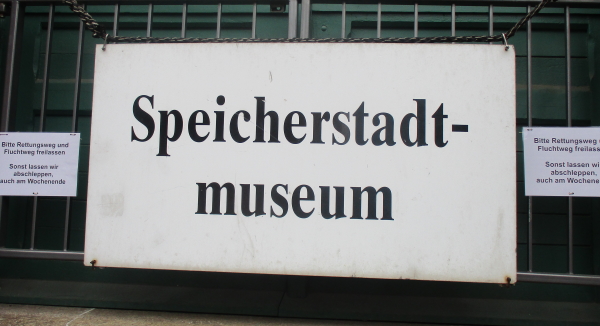
Unlike large national museums, the Speicherstadt Museum focuses on everyday trade, logistics, and working life in the harbor. It gives visitors context for the impressive brick buildings and canals that surround them. If you walk through Speicherstadt without understanding its function, you see beautiful architecture. After visiting the museum, you understand why it was built and how it shaped Hamburg’s economy.
This detailed guide explains what you can expect inside the museum, ticket information, how long to plan, best time to visit, and how to combine it with other major Hamburg attractions.
Ticketsare for the museum are available on the internet at this link.
Hamburg Harbor & Speicherstadt Tours
Guided tours through Speicherstadt, HafenCity and harbor boat cruises.
Where is the Speicherstadt Museum located?
The museum is located directly in the Speicherstadt, Hamburg’s historic warehouse district. The Speicherstadt was built between 1883 and the early 20th century and is today a UNESCO World Heritage Site. It consists of neo-Gothic red-brick warehouses built on oak piles, separated by narrow canals.
The museum is easy to reach from HafenCity and the city center by foot or public transport.
What is the Speicherstadt?
Before diving into the museum, it helps to understand the district itself. Speicherstadt literally means “City of Warehouses.” It was built to store valuable imported goods duty-free. Goods were stored here before being sold or processed.
Typical goods stored in Speicherstadt included:
- Coffee
- Tea
- Spices
- Cocoa
- Oriental carpets
The district played a central role in Hamburg’s rise as one of Europe’s largest trading ports.
What you will see inside the museum
The Speicherstadt Museum is located in an authentic warehouse building. Wooden floors, beams, and historical loading equipment create a realistic atmosphere.
1. Historic storage techniques
One section explains how goods were stored, packed, and transported. You see original storage equipment such as:
- Hand-operated cranes
- Loading hooks
- Packaging tools
- Sample bags and trade documents
This gives a clear impression of daily work in the warehouses before modern containerization.
2. Coffee and tea trade
Coffee and tea were among the most important goods handled in Speicherstadt. Exhibits show how these products were imported, sorted, sampled, and prepared for sale.
3. Carpet trade
The museum also highlights the oriental carpet trade, which was historically important for Hamburg merchants.
4. Customs and free port system
Speicherstadt was originally part of a free port zone, meaning goods could be stored without paying customs duties until they entered the German market. The museum explains how this system worked.
Why the Speicherstadt Museum is important
Many visitors admire Speicherstadt for its architecture, but the museum explains its economic and social significance. It shows:
- How global trade shaped Hamburg
- Working conditions in historic warehouses
- The transition from manual labor to container shipping
- How trade networks connected Hamburg to Asia, Africa, and the Americas
This context enriches any walk through the district.
How long should you plan?
The museum is relatively compact. Most visitors spend:
- 60–90 minutes exploring exhibits in detail
- Longer if reading all panels and displays
Because Speicherstadt itself deserves time for walking and photography, plan at least half a day for the area including the museum.
Best time to visit
- Morning: quieter atmosphere
- Afternoon: combine with HafenCity walk
- Evening: explore illuminated canals (museum closed)
Since the museum is indoors, it is also a good option on rainy days.
Who should visit the Speicherstadt Museum?
- History enthusiasts
- Travelers interested in trade and economy
- Visitors who enjoy understanding urban development
- Architecture lovers seeking deeper context
If you prefer interactive or highly modern multimedia museums, the Speicherstadt Museum may feel traditional. However, its authenticity is part of its charm.
How to combine the museum with other Hamburg highlights
A typical Speicherstadt-focused itinerary:
- Morning: Harbor cruise from Landungsbrücken
- Midday: Visit Speicherstadt Museum
- Afternoon: Walk to Elbphilharmonie Plaza
- Evening: Dinner in HafenCity
You can also visit the nearby Spice Museum for a culinary perspective on trade history.
Pros and cons
Pros
- Authentic historic setting
- Deep insight into Hamburg’s trade history
- Compact and focused
- Located in UNESCO district
Cons
- Not highly interactive
- Smaller than large national museums
Book a Hamburg port tour online
In our opinion, the best provider for port tours in Hamburg is Reederei Abicht. Good tour, very nice staff, many departures, funny and informative speakers and much more. We really enjoyed the harbour tour with Abicht. Better to book online beforehand:
–>>>> More info and booking
Is the Speicherstadt Museum worth visiting?
Yes. If you want to understand Hamburg beyond its skyline and harbor views, the Speicherstadt Museum provides essential context. It explains why the warehouse district exists and how it shaped the city’s identity.
For visitors who enjoy economic history, trade networks, and authentic settings, the museum is highly recommended.
Hotels near Speicherstadt
Stay close to Hamburg’s UNESCO warehouse district.