Welcome to Germany-Guide.info, an independent English-language travel guide to Germany. Whether you are planning a short city break, a holiday in the countryside or a longer journey through several regions, Germany offers an extraordinary variety of destinations.
From the historic streets of Berlin and the Bavarian traditions of Munich to the beautiful landscapes of the Black Forest, Germany combines historic architecture, modern cities, mountains, forests, lakes and fascinating industrial heritage.
Many international visitors come to Germany for its castles, museums, Christmas markets, beer gardens and traditional towns. Others are attracted by hiking, cycling, skiing or the country’s famous rivers and lakes.
Our travel guide introduces interesting destinations throughout Germany, with particularly detailed information about Hamburg, the Ruhr Area, the Black Forest and Lake Constance.
We also provide practical information about attractions, museums, public transport, excursions and places worth visiting.
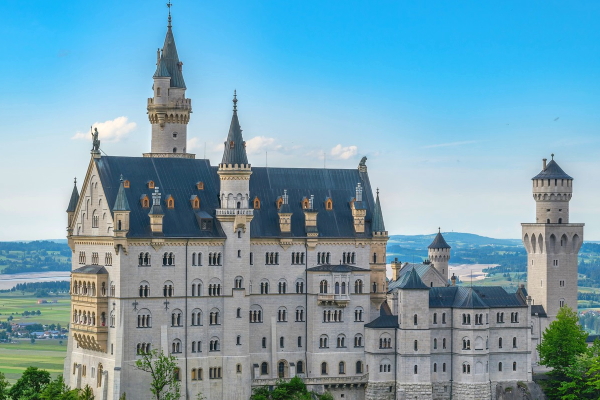
Why Visit Germany?
Germany is located in the heart of Europe and borders nine countries. Its central location makes it an excellent destination for travellers who want to explore several European countries during one holiday.
With more than 80 million inhabitants, Germany is the most populous country in the European Union. Its largest cities include Berlin, Hamburg, Munich and Cologne.
However, Germany is much more than its major cities. The country offers numerous national parks, mountain ranges, forests, rivers, lakes and picturesque villages.
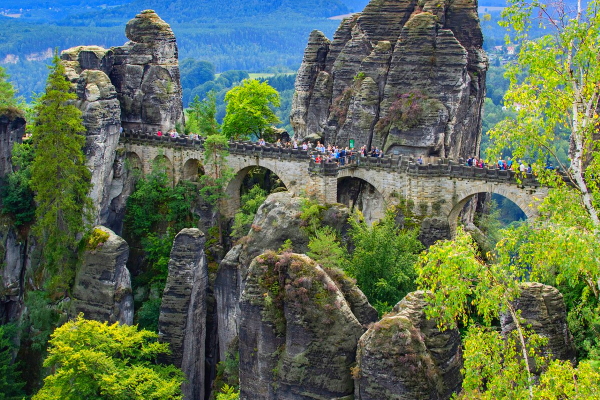
In southern Germany, the Alps provide impressive mountain scenery. The highest mountain in the country is the Zugspitze, near Garmisch-Partenkirchen.
In southwestern Germany, the Black Forest is famous for its wooded mountains, traditional villages and beautiful lakes.
In northern Germany, the North Sea and Baltic Sea coasts offer beaches, islands and attractive seaside resorts.
Germany is also known for its excellent railway network, which makes travelling between major cities relatively convenient.
Germany at a Glance
- Capital: Berlin
- Population: Approximately 84 million
- Currency: Euro (€)
- Official language: German
- Major cities: Berlin, Hamburg, Munich, Cologne and Frankfurt
- Famous landscapes: The Alps, Black Forest, Rhine Valley and Lake Constance
- Popular activities: Sightseeing, hiking, cycling, museums, Christmas markets and skiing
- Getting around: Trains, regional buses, urban public transport and rental cars
The Best Places to Visit in Germany
Germany has many attractive holiday destinations. Some are famous throughout the world, while others remain relatively unknown to international tourists.
Our travel guide focuses on several particularly interesting regions.
Berlin – Germany’s Capital
Berlin is Germany’s capital and largest city. It is internationally known for its history, museums, nightlife, architecture and diverse cultural scene.
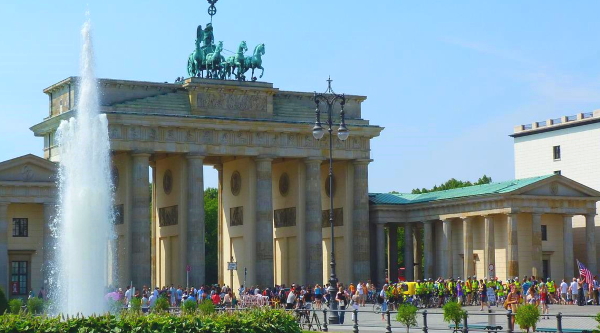
Important attractions include the Brandenburg Gate, the Reichstag building, Museum Island and the remains of the Berlin Wall.
Berlin is also famous for its alternative neighbourhoods, international restaurants, art galleries and lively nightlife.
Unlike many other European capitals, Berlin is geographically extensive, with numerous parks, lakes and green spaces.
Visitors interested in German history will find an extraordinary variety of museums and memorials.
Our separate Berlin travel guide provides detailed information about the city.
Munich – Bavaria’s Most Famous City
Munich is the capital of Bavaria and one of Germany’s most popular destinations for international visitors.
The city is famous for its historic centre, traditional beer gardens, museums, beautiful parks and the annual Oktoberfest.
Important attractions include Marienplatz, the Frauenkirche, Nymphenburg Palace and the English Garden.
Munich is also an excellent starting point for excursions into the Bavarian Alps.
The mountain town of Garmisch-Partenkirchen is particularly popular with visitors interested in hiking, skiing and mountain scenery.
For further information, visit our Munich travel guide.
Hamburg – Germany’s Great Port City
Hamburg is Germany’s second-largest city and one of the most fascinating destinations in northern Europe.
Located on the River Elbe, Hamburg is famous for its enormous port, historic warehouse district, canals, museums and lively entertainment areas.
One of the city’s most famous landmarks is the Elbphilharmonie, a spectacular concert hall overlooking the harbour.
Other major attractions include the historic Speicherstadt, the Landungsbrücken waterfront, the Reeperbahn and the beautiful Alster lakes.
Our Hamburg travel guide introduces the city’s most important attractions.
The Black Forest – Mountains, Lakes and Traditional Villages
The Black Forest is one of Germany’s most famous holiday regions.
Located in southwestern Germany, it is known for its wooded mountains, beautiful lakes, traditional villages and attractive hiking trails.
Popular destinations include Freiburg, Baden-Baden, Titisee, Schluchsee and the Feldberg mountain.
The region is particularly attractive for visitors who enjoy nature, outdoor activities and traditional German culture.
Our extensive Black Forest section introduces numerous towns, attractions and natural destinations.
The Ruhr Area – Industrial Heritage and Modern Culture
The Ruhr Area in western Germany is one of Europe’s largest urban regions.
It developed into a major industrial centre during the nineteenth and twentieth centuries, particularly because of coal mining and steel production.
Today, many former industrial sites have been transformed into museums, cultural centres, parks and visitor attractions.
Important cities include Essen, Dortmund, Bochum, Duisburg and Gelsenkirchen.
Our guide to the cities of the Ruhr Area provides an overview.
Lake Constance – A Beautiful Lake Between Three Countries
Lake Constance, known in German as the Bodensee, is one of Central Europe’s most attractive holiday regions.
The lake lies between Germany, Austria and Switzerland and is surrounded by historic towns, vineyards, mountains and beautiful landscapes.
Popular destinations include Konstanz, Lindau, Friedrichshafen, Meersburg and Überlingen.
Lake Constance is particularly suitable for cycling, boat excursions, sightseeing and relaxing holidays.
Hamburg Travel Guide – The Best Attractions
Hamburg is one of Germany’s most interesting cities for a short break. Its maritime atmosphere, historic architecture and modern cultural attractions make it very different from Berlin or Munich.
Hamburg Harbour and the Elbe
The harbour is the heart of Hamburg and one of the city’s most important tourist attractions.
Visitors can watch enormous container ships, explore the waterfront and enjoy views of the River Elbe.
A Hamburg harbour tour is one of the best ways to discover the port from the water.
The Landungsbrücken are an important starting point for harbour excursions and ferries.
Another interesting attraction is the Old Elbe Tunnel, which allows pedestrians and cyclists to cross beneath the river.
Visitors interested in maritime history should consider the museum ship Cap San Diego.
Speicherstadt and HafenCity
The historic Speicherstadt is one of Hamburg’s most famous districts.
Its red-brick warehouses, canals and bridges create a unique atmosphere.
The district is part of a UNESCO World Heritage Site and contains several interesting museums.
Visitors can explore the Speicherstadt Museum and the Spice Museum.
Nearby HafenCity is one of Europe’s most ambitious urban redevelopment projects.
The modern district combines residential buildings, offices, restaurants and cultural attractions.
Elbphilharmonie
The Elbphilharmonie is one of Germany’s most famous modern buildings.
The concert hall stands on top of a historic warehouse building and features a spectacular glass structure.
Visitors can enjoy views of Hamburg from the public Plaza, subject to the applicable admission and ticket arrangements.
Reeperbahn and St. Pauli
The St. Pauli district is internationally known for its nightlife and entertainment.
The Reeperbahn is the centre of Hamburg’s famous nightlife district, with bars, music venues, clubs and theatres.
Our guide to pubs on the Reeperbahn introduces some of the area’s drinking establishments.
Visitors interested in American-style restaurants can also read about the Hard Rock Cafe Hamburg.
Museums and Family Attractions in Hamburg
Hamburg offers a wide variety of museums and attractions for families.
One of the city’s most popular attractions is Miniatur Wunderland, famous for its enormous model railway and miniature landscapes.
Other interesting attractions include the Panoptikum wax museum, the Chocolate Museum and the Automuseum Prototyp.
Families with children may also enjoy Hamburg Zoo.
Parks, Markets and Other Attractions
The beautiful Planten un Blomen park is an excellent place to relax during a city break.
The famous Hamburg Fish Market is another traditional attraction.
Visitors interested in boat trips can explore the Alster lake tours.
Other interesting destinations include the Portuguese Quarter and the Willkomm-Höft ship welcome station.
The Ruhr Area – Germany’s Industrial Heartland
The Ruhr Area offers a completely different experience from Germany’s traditional tourist destinations.
Instead of medieval castles and Alpine scenery, visitors discover enormous former coal mines, steelworks, industrial museums and modern cultural attractions.
However, the Ruhr Area also has attractive parks, historic town centres, lakes and extensive green spaces.
Essen – Industrial Heritage and Museums
Essen is one of the most important cities in the Ruhr Area.
Its most famous attraction is the Zollverein Coal Mine Industrial Complex, a UNESCO World Heritage Site.
The former coal mine is one of the most impressive examples of industrial architecture in Europe.
Visitors can explore the Ruhr Museum and the Red Dot Design Museum.
Other important attractions include Villa Hügel, the former residence of the Krupp industrial family, and the Museum Folkwang.
Visitors interested in the city’s history can explore the Old Synagogue.
For outdoor activities, we recommend the Grugapark.
Other interesting destinations include Margarethenhöhe, the historic district of Kettwig and Essen city centre.
Dortmund – Football, Parks and Museums
Dortmund is one of the largest cities in the Ruhr Area.
The city is internationally famous for its football club Borussia Dortmund.
Football fans can visit the Borusseum, the club’s museum.
Other interesting attractions include the Dortmund Brewery Museum and DASA Working World Exhibition.
The Westfalenpark is one of the city’s most attractive green spaces.
Bochum – Mining History and Culture
Bochum is another important city in the Ruhr Area.
Its most famous attraction is the German Mining Museum, which introduces the history and technology of mining.
Other attractions include the Bochum Planetarium, the Schauspielhaus theatre and the Jahrhunderthalle.
The Bermuda Triangle is a popular district for restaurants, bars and nightlife.
Families may enjoy the Bochum Zoo, while nature lovers can visit the Botanical Garden or Bochum City Park.
Duisburg – Industrial Landscapes and the Rhine
Duisburg is famous for its enormous inland port and industrial history.
One of the most interesting attractions is the Landschaftspark Duisburg-Nord.
This former ironworks has been transformed into an extraordinary public park where visitors can explore industrial structures and enjoy views from elevated platforms.
Other attractions include Duisburg Zoo and Duisburg city centre.
Gelsenkirchen – Football and Industrial Heritage
Gelsenkirchen is closely associated with coal mining and football.
The city is home to FC Schalke 04, one of Germany’s best-known football clubs.
Our article about Schalke introduces the club and its importance to the region.
Other attractions include ZOOM Erlebniswelt, the Science Park and Berge Castle.
The Schüngelberg settlement is an interesting example of the region’s industrial housing history.
Other Cities and Attractions in the Ruhr Area
The Ruhr Area contains many additional destinations worth visiting.
Hattingen is famous for its attractive old town and traditional half-timbered houses.
Visitors interested in industrial history can explore the Henrichshütte former ironworks.
Herne is known for the annual Cranger Kirmes, one of Germany’s largest funfairs.
Other interesting cities include Mülheim an der Ruhr and nearby Düsseldorf.
Düsseldorf is particularly famous for its Old Town, shopping streets and traditional Altbier pubs.
Our guides to Düsseldorf pubs and food in Düsseldorf provide additional information.
Getting Around the Ruhr Area
The Ruhr Area has an extensive network of regional trains, suburban railways, underground and light-rail services, trams and buses.
Visitors can travel between many cities without a car.
Our guide to getting around the Ruhr Area explains the transport options.
For ticket information, see our article about VRR public transport tickets.
Further background information is available about facts and figures of the Ruhr Area and the region’s location.
The Black Forest – One of Germany’s Most Beautiful Regions
The Black Forest is a large mountainous region in the German state of Baden-Württemberg.
It stretches from the area around Karlsruhe in the north towards the Swiss border in the south.
The region is famous for its dense forests, traditional farmhouses, cuckoo clocks, spa towns and attractive mountain scenery.
Our guide to the Black Forest climate provides useful information for planning a holiday.
Freiburg – Gateway to the Southern Black Forest
Freiburg im Breisgau is one of the most attractive cities in southwestern Germany.
It is famous for its historic centre, university atmosphere and relatively sunny climate.
The city’s most important landmark is Freiburg Minster, an impressive Gothic cathedral.
Visitors can also explore the pedestrian zone of Freiburg, with its shops, restaurants and historic buildings.
Baden-Baden – Elegant Spa Town
Baden-Baden is one of Germany’s most famous spa towns.
The town is known for its elegant architecture, thermal baths, beautiful parks and cultural attractions.
Visitors can relax at the Caracalla Spa or experience the historic bathing tradition at the Friedrichsbad.
Other attractions include the Baden-Baden Casino, the Trinkhalle and the beautiful Lichtentaler Allee.
Music lovers may be interested in the Festspielhaus Baden-Baden.
Titisee and Schluchsee – Beautiful Black Forest Lakes
Titisee is one of the best-known lakes in the Black Forest.
It is a popular destination for boat trips, walking and relaxing by the water.
Nearby Schluchsee is another beautiful lake and particularly attractive for outdoor activities.
Our guide to the lakes of the Black Forest introduces additional destinations.
Feldberg – The Highest Mountain in the Black Forest
The Feldberg is the highest mountain in the Black Forest, reaching approximately 1,493 metres.
It is a popular destination for hiking during the warmer months and winter sports when snow conditions permit.
Our guide to skiing and winter sports in the Black Forest provides further information.
Traditional Towns and Villages
The Black Forest contains numerous picturesque towns and villages.
Popular destinations include Hinterzarten, Todtnau, Todtmoos and Bernau.
Other attractive places include St. Blasien, Freudenstadt, Bad Wildbad and Bad Liebenzell.
Visitors interested in historic towns should also consider Gengenbach, Offenburg and Bad Säckingen.
Nature and Hiking in the Black Forest
The Black Forest is one of Germany’s most important hiking regions.
Its extensive network of marked trails leads through forests, valleys, mountain meadows and traditional villages.
The Black Forest National Park protects valuable forest ecosystems and offers interesting opportunities for nature observation.
Visitors interested in local wildlife can read our article about snakes in the Black Forest.
Food and Traditions
The Black Forest is famous for its traditional cuisine.
Regional specialities include Black Forest ham, hearty meat dishes, local cheeses and the internationally famous Black Forest cake.
Our guide to food in the Black Forest introduces the region’s culinary traditions.
Lake Constance – Towns, Islands and Alpine Views
Lake Constance is one of the largest lakes in Central Europe.
Its location between Germany, Austria and Switzerland makes it an attractive destination for international travellers.
The lake is surrounded by historic towns, vineyards and beautiful landscapes.
Konstanz
Konstanz is the largest city on Lake Constance.
It has an attractive historic centre, a lively waterfront and numerous shops and restaurants.
Lindau
Lindau is famous for its beautiful island old town and picturesque harbour.
The waterfront offers attractive views towards the Alps.
Meersburg
Meersburg is one of the most picturesque towns on Lake Constance.
Its historic buildings, narrow streets and hillside location make it particularly attractive for sightseeing.
Friedrichshafen
Friedrichshafen is known for its aviation history and its attractive location on the northern shore of Lake Constance.
Überlingen
Überlingen is a charming town with a beautiful lakeside promenade and historic centre.
Other Interesting Destinations in Southern Germany
Stuttgart
Stuttgart is the capital of Baden-Württemberg and an important centre of the German automotive industry.
The city offers museums, parks, shopping streets and interesting architecture.
Our guide to visiting Stuttgart introduces the main attractions.
Other articles cover the Stuttgart TV Tower, the Market Hall and the pedestrian zone.
Karlsruhe
Karlsruhe is known for its unusual fan-shaped street layout and important cultural institutions.
Popular attractions include Karlsruhe Palace and Karlsruhe Zoo.
Pforzheim
Pforzheim is internationally known for its jewellery and watchmaking industries.
Interesting attractions include the Jewellery Museum, the Technical Museum and the Jewellery World.
Visitors can also explore the Pforzheim Gallery and the Wildlife Park.
Excursions from Germany – Alsace and Strasbourg
Germany’s central European location makes it easy to combine a holiday with excursions to neighbouring countries.
One particularly attractive destination is Strasbourg in the French region of Alsace.
The city is famous for its historic centre, picturesque canals and impressive Gothic cathedral.
Important attractions include Strasbourg Cathedral and the beautiful La Petite France district.
Our guide to excursions in Alsace introduces additional destinations.
Other interesting places include Erstein and the wine-growing region around Kaiserstuhl on the German side of the Rhine.
Getting Around Germany
Germany has a comprehensive transport network, making it relatively easy to travel between major cities and tourist regions.
Travelling by Train
Germany’s railway network connects major cities, regional centres and many smaller towns.
Long-distance ICE trains are particularly useful for travelling between cities such as Berlin, Hamburg, Munich, Frankfurt and Cologne.
Regional trains provide connections to smaller towns and many tourist destinations.
Visitors should check ticket conditions carefully because some discounted tickets are valid only on specific trains.
Public Transport in German Cities
Most major German cities have extensive public transport networks.
Depending on the city, these may include underground trains, suburban railways, trams and buses.
In the Ruhr Area, several cities share an integrated regional transport network.
Our article about VRR tickets explains local public transport in this region.
Travelling by Car
Renting a car can be useful for exploring rural regions such as the Black Forest or smaller towns around Lake Constance.
Germany has an extensive motorway network, although traffic congestion can be significant around major cities.
Visitors should also be aware that some urban areas have environmental zones with specific vehicle requirements.
When Is the Best Time to Visit Germany?
Germany is a year-round travel destination, although the best season depends on your interests.
Spring – March to May
Spring is a pleasant time for city sightseeing and exploring parks and gardens.
Temperatures gradually become milder, and many outdoor attractions reopen after winter.
Summer – June to August
Summer is particularly popular for hiking, cycling, lake holidays and outdoor activities.
Destinations such as the Black Forest and Lake Constance are especially attractive during this season.
However, popular attractions can become crowded during school holidays.
Autumn – September to November
Autumn is a beautiful season for exploring Germany’s forests and historic towns.
The Black Forest and other wooded regions can be particularly attractive when the leaves change colour.
Winter – December to February
Winter is famous for Germany’s traditional Christmas markets.
Many cities have beautifully decorated historic centres during the Advent season.
Mountain regions also offer opportunities for skiing and other winter sports when snow conditions are suitable.
Our guide to winter sports in the Black Forest provides additional information.
Practical Tips for Your Germany Holiday
Useful Information for Visitors
- Currency: Germany uses the euro.
- Language: German is the official language, but English is widely understood in many tourist areas.
- Public transport: Trains, buses, trams and underground systems connect most major destinations.
- Accommodation: Hotels, guesthouses, hostels and holiday apartments are available in all price categories.
- Shopping: Most shops are closed on Sundays, with some exceptions.
- Restaurants: German cuisine varies considerably between regions.
- Weather: Conditions vary from the relatively mild northwestern regions to the colder Alpine areas.
- Travel planning: Book popular accommodation and major attractions in advance during busy holiday periods.
Hotels and Accommodation
Germany offers a wide variety of accommodation, from inexpensive hostels and guesthouses to luxury hotels.
In major cities such as Berlin, Hamburg and Munich, visitors can choose from thousands of accommodation options.
Smaller towns in the Black Forest and around Lake Constance often have traditional guesthouses and family-run hotels.
Prices vary depending on location, season and local events.
German Food and Regional Specialities
German cuisine is much more varied than many international visitors expect.
Traditional dishes differ significantly between regions.
Bavaria is famous for pretzels, sausages and beer gardens, while northern Germany has a strong tradition of fish dishes.
In southwestern Germany, visitors can enjoy regional specialities from Baden and Swabia.
Our article about food in the Black Forest introduces the cuisine of one of Germany’s most famous holiday regions.
Explore Germany with Our Independent Travel Guide
Germany offers an extraordinary combination of historic cities, modern culture, industrial heritage and beautiful natural landscapes.
Visitors can explore the museums of Berlin, enjoy the maritime atmosphere of Hamburg, discover industrial monuments in the Ruhr Area or spend a relaxing holiday in the Black Forest.
Lake Constance and the Bavarian Alps provide additional opportunities for outdoor activities and beautiful scenery.
Our independent travel guide is designed to help you discover both internationally famous attractions and interesting destinations that receive fewer visitors.
We regularly expand our articles about German cities, museums, natural attractions and practical travel topics.
Opening hours, ticket prices, public transport schedules and admission conditions can change. For important arrangements, we recommend checking current information with the relevant provider.
Enjoy discovering Germany!
