 Posted by
 Stuttgart is the capital of Baden-Württemberg in southwest Germany and one of the country’s most interesting “working cities” for travelers. It is not a museum-city in the classical sense like Florence, and it is not a postcard old town like Rothenburg. Stuttgart is modern, hilly, green, and surprisingly varied. Many visitors come because of the famous car brands (Mercedes-Benz and Porsche), but the city also offers viewpoints, parks, wine hillsides, a strong food scene, and easy day trips into the Black Forest region.
For international tourists, Stuttgart is often underestimated. It rarely appears as the first stop on a Germany trip, but it is a very practical place to spend 1–3 days if you like a mix of: museums, city walks, panoramic views, and regional culture. This guide explains the best things to do in Stuttgart, how to get around, where to stay, and which nearby destinations connect well.
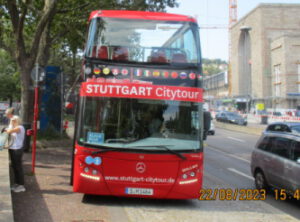
Our tip: Hop-on hop-off city bus tour in StuttgartWhat to expect from this dead double-decker bus city tour in Stuttgart: Flexible Sightseeing: The biggest advantage of these tours is flexibility. You can get off at any stop that interests you, explore the area as you wish, and then get back on a bus later. Main attractions: The stops usually include important sights such as castles, museums, zoos, boat trips on the Neckar and the television tower. Commentary: The bus tours provide headphones with commentary in multiple languages. This helps visitors gain insight into the history and significance of the attractions. Ticket validity: Typically, tickets for these tours are valid for 24 to 48 hours. —–>>> Link: More information and booking
|
Where is Stuttgart located?
Stuttgart is located in southwest Germany, in the state of Baden-Württemberg, surrounded by hills and vineyards. The city center sits in a basin (a “valley bowl”), which explains two typical travel impressions: Stuttgart often feels greener than expected, but it can also feel warm in summer and foggy in winter because the air stays inside the basin.
Stuttgart is a strong logistics hub for this part of Germany. It connects easily to nearby regions and cities, including:
- Karlsruhe and the northern Black Forest
- The Lake Constance region (Bodensee)
- Heidelberg and the Rhine Valley (with a bit of travel time)
- Swabian Alb (a landscape region with caves, castles and hiking)
If you want general Germany travel basics for your readers, this internal link supports many city articles:
First impressions: what makes Stuttgart special?
Stuttgart is a city of contrasts. On one hand, it is a serious business and engineering city with headquarters, office buildings, and daily commuter life. On the other hand, it has a relaxed culture of parks, vineyards, viewpoints, and weekend walks. Stuttgart is also not flat. You constantly move up and down, which means you get many panoramic viewpoints without needing a “mountain trip”.
The city is especially known for:
- Car culture: world-class museums (Mercedes-Benz, Porsche)
- Viewpoints: hills and towers with wide city panoramas
- Green spaces: parks, gardens, long walking routes
- Wine culture: vineyards directly on city hillsides
- Day trips: easy access to smaller towns and nature
Top things to do in Stuttgart
1) Stuttgart TV Tower (Fernsehturm)
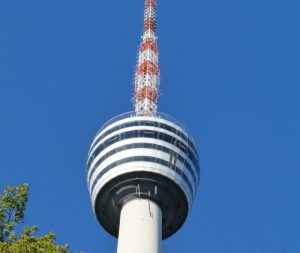
The Stuttgart TV Tower is one of the city’s best attractions because it delivers exactly what tourists want: a wide panoramic view with a clear “this is Stuttgart” feeling. Even if you only spend one day in the city, a viewpoint is usually worth it. On clear days you can see far across the region, and you also understand Stuttgart’s landscape: the bowl-shaped center and the surrounding hills.
>>> It’s best to buy tickets for the Stuttgart TV Tower online in advance using this link. A ticket costs 12 euros in 2026.
Internal link for your site structure:
2) Schlossplatz and the central city walk
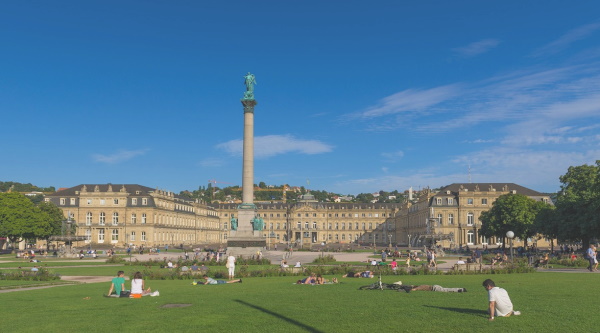
For most first-time visitors, the best orientation walk starts at Schlossplatz, the central square area of Stuttgart. This is where the city feels most “classic” and walkable, and where you get a mix of open space, shops, and city life. From there, you can continue through the pedestrian shopping area, stop for coffee, and shape the day depending on your interests.
Internal link that fits naturally here:
3) Stuttgart Market Hall (Markthalle)
The Stuttgart Market Hall is one of the best places in the city for a simple, high-quality travel moment: walk inside, look around, buy something small, and enjoy the atmosphere. Even if you are not a “food traveler”, a market hall is easy sightseeing because it is practical and visual. It is also a good stop on a rainy day.
Internal link:
4) Mercedes-Benz Museum and Porsche Museum (car culture)
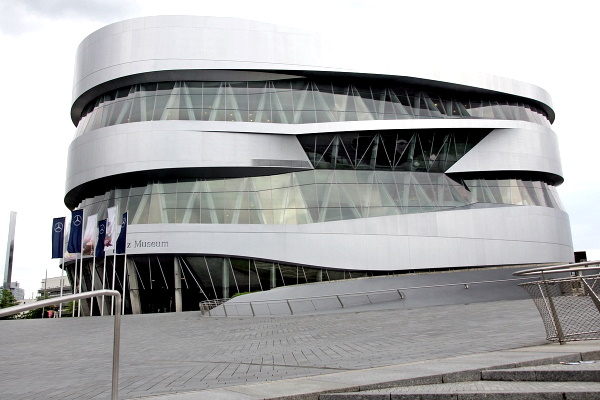
Stuttgart is one of the world’s most famous car cities. Even if you are not a car enthusiast, the big museums can still be worth it because they are well-designed, structured, and easy to experience. Many international visitors choose one of the two museums depending on personal taste and time:
- Mercedes-Benz Museum: broad history, design, technology, strong storytelling
- Porsche Museum: performance focus, iconic brand story, compact and clear
 Mercedes-Benz Museum
If you only have time for one, choose the brand you care about. If you have two days in Stuttgart, you can do both without stress (one museum per day is a comfortable pace). If you do not want museums at all, Stuttgart still works because the city also has parks, viewpoints, and wine walks.
5) Parks and green spaces (Stuttgart’s underrated strength)
Many tourists are surprised by how green Stuttgart feels. The city has long park zones and walking-friendly areas that make it easy to take breaks between “big sights”. This matters for travel planning because it improves the rhythm of your day. Stuttgart is not ideal for doing ten attractions back-to-back. It is better as a city where you mix: one museum, one viewpoint, one calm park walk, then a relaxed dinner.
A practical strategy is to plan one “green hour” every day. It helps with jet lag, walking fatigue, and keeps the trip enjoyable.
6) Stuttgart wine culture (yes, inside the city)
Stuttgart has vineyards on its hillsides, which means wine culture is not a separate “day trip”. It is part of the city landscape. You can do simple wine walks, stop at viewpoints, and end the day with a regional dinner. This is one of the reasons Stuttgart can feel more “local” than many tourist-heavy German cities.
What to expect:
- Vineyard hills with walking paths
- Regional wine lists in restaurants
- Seasonal wine-related events (varies by year)
If you want to keep your guide factual and evergreen, avoid hard dates and instead describe the general seasonal pattern: spring and early autumn are typically the best times for wine walks.
Stuttgart itineraries (1 day, 2 days, 3 days)
Stuttgart in 1 day (best first-time plan)
- Morning: Schlossplatz + central walk through the pedestrian zone
- Late morning: Stuttgart Market Hall snack stop
- Afternoon: one major museum (Mercedes-Benz or Porsche) or a park walk
- Evening: viewpoint (TV Tower) + dinner
Stuttgart in 2 days (balanced and comfortable)
- Day 1: city center walk + Market Hall + TV Tower
- Day 2: museum day (Mercedes-Benz or Porsche) + relaxed park time
Stuttgart in 3 days (best for travelers who like slower pacing)
- Day 1: orientation walk + food stops
- Day 2: car museum + city green spaces
- Day 3: half-day excursion (Black Forest side) or wine hills + viewpoint walk
If your readers are visiting Germany for the first time, 2 days is often ideal: Stuttgart feels “complete” without becoming repetitive.
How to get around Stuttgart
Stuttgart has a modern public transport network (S-Bahn, U-Bahn, buses). For tourists, this usually means you do not need a car inside the city. In fact, a car can feel like a disadvantage because of traffic, parking costs, and the hilly layout.
Common tourist approach:
- In the city: public transport + walking
- For day trips: train for nearby towns, car only if you want flexible countryside routes
Internal link for general transport info:
How to get to Stuttgart
By train
Stuttgart is connected by long-distance trains (ICE and others) and regional networks. For many international visitors, arriving by train is the simplest and most comfortable option, especially if you travel between major German cities.
By plane
Stuttgart has an airport with European connections. The city is then reached by local transport and/or taxi. If your readers are doing a multi-city Germany trip, it can be useful to compare flights into Stuttgart versus Frankfurt or Munich depending on itinerary direction.
By car
Driving works well if Stuttgart is part of a larger southwest Germany road trip. In the city itself, driving is usually less pleasant than public transport. Many travelers choose a hotel with parking and then switch to public transport for sightseeing days.
Flights & rental cars for Stuttgart
Compare prices for your Stuttgart trip and nearby road-trip routes in southwest Germany.
Where to stay in Stuttgart
Stuttgart is spread out with different districts and hills. For most tourists, the best strategy is simple: choose a location that makes your daily routine easy. That usually means either staying close to the city center (walkability) or staying in a well-connected area near S-Bahn/U-Bahn lines (fast transit).
Practical accommodation strategies:
- Central stay: best for first-timers, easy walking, more restaurant choice
- Transit-based stay: often better value, still fast access to sights
- Car-friendly stay: choose a hotel with parking, then use public transport inside the city
Hotels in Stuttgart (Booking.com)
Compare hotels and apartments in Stuttgart: city center, transport-friendly districts, and business hotels with parking.
Food in Stuttgart: what to try
Stuttgart is in Swabia (Schwaben), and the regional cuisine has a clear identity. Many tourists know Bavaria and pretzels, but Swabian food is different: practical, filling, and often better value than ultra-touristy menus in more famous German cities.
Typical local dishes you will see in Stuttgart include:
- Maultaschen (filled pasta pockets; often compared to ravioli)
- Spätzle / Käsespätzle (egg noodles; sometimes with cheese)
- Zwiebelrostbraten (roast beef with onions; common in the region)
If you prefer lighter meals, the Market Hall is a good stop because you can keep it simple: small portions, snacks, and quick lunch ideas.
Best day trips from Stuttgart
Stuttgart becomes more attractive when you treat it as a base. You can enjoy the city and still add a half-day or day trip without moving hotels. Here are day trip directions that connect well with your Germany site structure.
Black Forest (nature contrast)
If your readers want “real Black Forest scenery”, Stuttgart can be a starting point, especially if they continue west afterwards. A general overview helps tourists understand how the region is structured and where to go next.
Baden-Baden (spa city)
Baden-Baden is an elegant spa city and a strong contrast to Stuttgart’s business-and-engineering vibe. It’s a good choice if travelers want thermal baths, casino culture, and a “classic spa town” atmosphere.
Karlsruhe (palace city)
Karlsruhe is a useful day trip if travelers want a calmer city with a palace focus, museums, and an organized layout. It can also be a practical stop on the way toward the Rhine Valley and France.
Pforzheim (design and jewelry)
Pforzheim is often overlooked by tourists, but it can be interesting for visitors who like design, jewelry history, and smaller museums. It also works as a “short cultural break” between nature-heavy travel days.
Is Stuttgart worth visiting?
Yes, especially if you like cities that feel real and functional, not only historic and tourist-staged. Stuttgart is worth visiting for:
Museum travelers
- (car museums are world-class)
- Viewpoint lovers (TV Tower and hills)
- Food travelers who want regional Swabian dishes
- Travelers doing southwest Germany (good base, good connections)
Stuttgart may feel less rewarding if your travel goal is “medieval old towns only”. The city center is pleasant, but the main value comes from the full package: museums, views, parks, and day trips.
If you plan it well, Stuttgart is one of those cities where the experience feels better than the online reputation. Two days is usually enough for first-timers, and three days is perfect if you want one day trip or a slower pace.