 Posted by
 The economy in the Black Forest is far more diverse than many visitors expect. While the region is internationally known for forests, hiking, cuckoo clocks, and traditional villages, it is also one of the most economically stable and innovative areas in southern Germany. The Black Forest economy combines tourism, high-tech manufacturing, small family businesses, agriculture, and cross-border trade with Switzerland and France.
This in-depth English guide explains how the Black Forest economy works today, which sectors are most important, how tourism fits into the bigger picture, and why the region remains economically strong despite its rural character.
Experience the Black Forest economy as a visitor
Guided tours, factory visits, and cultural experiences help visitors understand how the Black Forest works beyond tourism:
Overview: What defines the Black Forest economy?
The Black Forest stretches across southwest Germany, mainly within the state of Baden-Württemberg. Economically, it belongs to one of the strongest regions in Europe. The key characteristics of the Black Forest economy include:
- A strong base of small and medium-sized enterprises (SMEs)
- Export-oriented manufacturing and engineering
- A powerful tourism sector
- High levels of vocational training and skilled labor
- Close economic ties to Switzerland and France
Rather than relying on a single industry, the Black Forest benefits from a balanced and resilient economic structure.
Historical roots of the Black Forest economy
For centuries, the Black Forest economy was shaped by its geography. Dense forests, limited farmland, and relative isolation forced local communities to become highly adaptable.
Historically important activities included:
- Forestry and timber processing
- Glassmaking and metalworking
- Clockmaking and precision crafts
- Seasonal migration of craftsmen
The tradition of craftsmanship laid the foundation for today’s industrial strengths in precision engineering and mechanical production.
Manufacturing and industry in the Black Forest
Manufacturing is one of the most important pillars of the Black Forest economy. Many globally active companies operate from small towns rather than large cities.
Precision engineering and mechanical industry
The region is famous for precision engineering. Skills developed through clockmaking evolved into modern mechanical and electronic engineering.
- Machine tools
- Automotive components
- Industrial automation
- Medical technology
Many companies are family-owned and focus on niche markets with high quality standards.
Automotive supply industry
The Black Forest plays an important role as a supplier for Germany’s automotive sector. Parts manufactured here are used worldwide.
This includes:
- Drive components
- Electronic control systems
- Precision metal parts
Electrical engineering and electronics
Electronics and electrical engineering are another key sector. Innovation is driven by close cooperation between companies, universities, and research institutions.
The role of small and medium-sized enterprises (SMEs)
The backbone of the Black Forest economy is formed by small and medium-sized enterprises. These companies are often deeply rooted in local communities.
Typical features include:
- Long-term employment relationships
- Strong apprenticeship systems
- High export orientation
- Focus on quality rather than volume
This structure provides stability even during global economic downturns.
Tourism as an economic pillar
Tourism is one of the most visible parts of the Black Forest economy. Millions of visitors come each year for hiking, spa stays, winter sports, and cultural experiences.
Types of tourism
- Nature and hiking tourism
- Spa and wellness tourism
- Winter sports tourism
- Cultural and culinary tourism
Tourism supports not only hotels and restaurants, but also retail, crafts, transport, and local services.
Hotels & accommodation in the Black Forest
Tourism plays a major role in the regional economy. Accommodation options range from family-run guesthouses to spa hotels:
Seasonality and challenges
Tourism is seasonal. Summer hiking and winter sports dominate, while spring and autumn can be quieter. Many businesses adapt by offering wellness, conferences, or short-break packages.
Agriculture and forestry
Agriculture plays a smaller role economically, but it shapes the landscape and supports tourism.
- Dairy farming
- Cattle grazing on mountain meadows
- Forestry and sustainable timber production
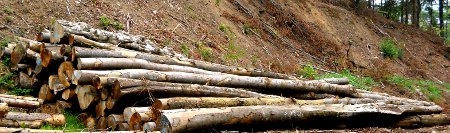
Forests are carefully managed and provide raw materials, jobs, and environmental protection.
Energy and sustainability
The Black Forest is increasingly focused on renewable energy and sustainability.
- Hydropower from rivers
- Biomass from forestry
- Solar energy on rooftops
Many municipalities invest in energy-efficient infrastructure and eco-tourism.
Labor market and employment
Unemployment in the Black Forest is generally below the German average. Skilled workers are in high demand.
Key employment areas include:
- Manufacturing and engineering
- Tourism and hospitality
- Healthcare and spa services
- Education and research
The dual vocational training system is a major strength.
Cross-border economy: Switzerland and France
The proximity to Switzerland and France strongly influences the Black Forest economy.
- Many residents commute to Switzerland for work
- Cross-border trade is common
- Tourism benefits from international visitors
Higher Swiss wages attract workers, while German living costs remain lower.
Innovation, education & research
Universities, applied sciences institutions, and research centers support innovation in the region.
Strong links between education and industry ensure a continuous flow of skilled professionals.
Challenges facing the Black Forest economy
Despite its strengths, the region faces challenges:
- Demographic change in rural areas
- Skilled labor shortages
- Dependence on global markets
- Climate change affecting tourism and forestry
Many municipalities respond with digitalization, infrastructure investments, and sustainability strategies.
The future of the Black Forest economy
The outlook for the Black Forest economy is positive. Its mix of tradition and innovation creates resilience.
Future trends include:
- More sustainable tourism
- Green technologies
- Digital manufacturing
- Stronger regional branding
Conclusion
The economy in the Black Forest is far more than tourism and tradition. It is a complex, modern, and export-oriented system built on craftsmanship, innovation, and sustainability. This balanced structure explains why the Black Forest remains economically strong while preserving its natural and cultural identity.