 Posted by
 Spice Museum Hamburg (German: *Gewürzmuseum*) is one of the most distinctive and sensory-rich museums in Germany. Located in the historic Speicherstadt district — a UNESCO World Heritage Site — the Spice Museum explores the fascinating world of spices, their origins, trade history, cultural significance, and culinary impact. Instead of static displays that you only read about, this museum engages all your senses: you can smell, touch, and learn about spices that shaped global trade and cultural exchange for centuries.
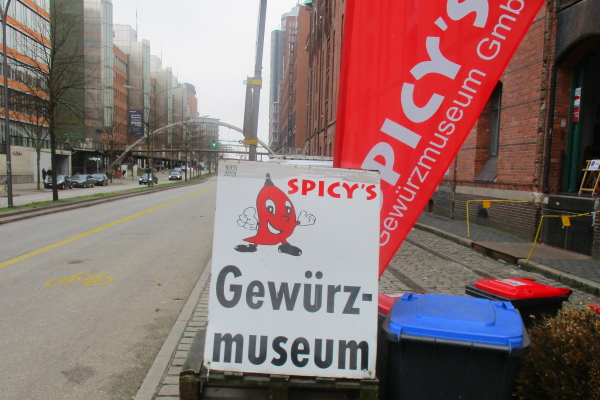
For travelers interested in culture, food history, and world trade, the Spice Museum offers a unique look at how everyday ingredients — from pepper and cinnamon to rare exotic condiments — influenced exploration, economies, and cuisine around the world. This detailed guide explains what you can expect at the museum, practical visit information, how long to plan, why it is worth visiting, and how to combine it with other top Hamburg attractions.
Online tickets for the Spice Museum are available for just 7 Euro online price at this link
Speicherstadt & Hamburg Tours
Guided tours, walking routes, and city experiences in and around Speicherstadt and HafenCity.
Where is the Spice Museum?
The Spice Museum is located in Hamburg’s historic Speicherstadt, the old warehouse district built on timber-pile foundations and canals. Speicherstadt is a major tourist area on its own, known for its red-brick warehouses, canals, and beautiful early 20th-century industrial architecture.
Most visitors walk to the Spice Museum as part of a broader Speicherstadt visit. The area is also easy to reach by public transport, including U-Bahn and buses.
Why the Spice Museum matters
Spices played an outsized role in global history. Centuries ago, they were among the most sought-after commodities in the world. Trade routes for spices helped shape exploration, establish empires, and influence cuisine and medicine across continents. While modern grocery stores make spices commonplace, the history behind them is fascinating and far from ordinary.
The Spice Museum brings this story to life with exhibits that highlight:
- The origin of key spices and where they grow
- Historic trade routes and their impact
- Stories of merchants, explorers, and the spice trade economy
- The role of spices in food, culture, and medicine
For visitors, this means more than a simple display of bottles and jars. You encounter a narrative that connects Hamburg’s port history — once a vital hub for imported spices — with global exchanges that shaped societies.
What you will see and experience
The Spice Museum is divided into thematic sections that guide you through the world of spices:
Origins of spices
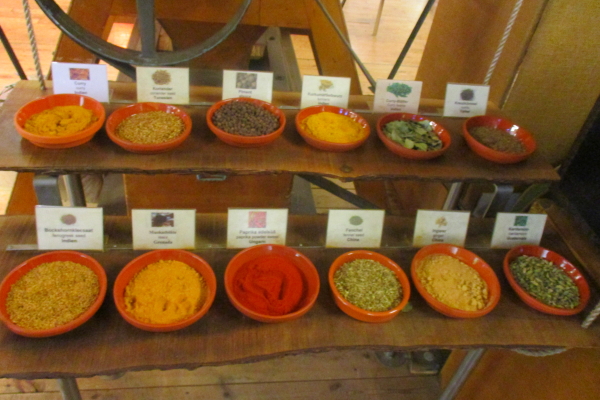
This section explains where major spices like pepper, cinnamon, cloves, and nutmeg come from, often showing real samples and information about plant geography. Many exhibits allow you to smell and sometimes handle spices so you can appreciate their aroma and texture.
Historical trade routes
Here you learn how spices traveled from Asia, Africa, and the Americas to European markets. Exhibits describe famous routes like the Silk Road and maritime passages around Africa and beyond. Maps, historic tools, and merchant artifacts help illustrate these journeys.
Hamburg and the spice trade
Because of its strategic position, Hamburg became a key port for spice imports. This section explores how local merchants engaged with traders from around the world, the role of the Hanseatic League, and how spices shaped local commerce and cuisine.
Spices in cooking and culture
This part focuses on how spices influence culinary traditions. Examples include:
- European spice use in medieval and modern cuisine
- Spice blends and regional favorites
- How spices became status symbols in history
Interactive displays and occasional tasting stations help visitors connect smells and tastes with history.
Exotic and rare spices
Some of the museum’s more intriguing exhibits cover rare spices — those that were once more valuable than gold — and explain why they were so coveted. These include long pepper, grains of paradise, and other unusual varieties.
Interactive and sensory elements
One of the Spice Museum’s strengths is that it goes beyond static panels. Many exhibits are designed to engage multiple senses:
- Smelling stations for different spice varieties
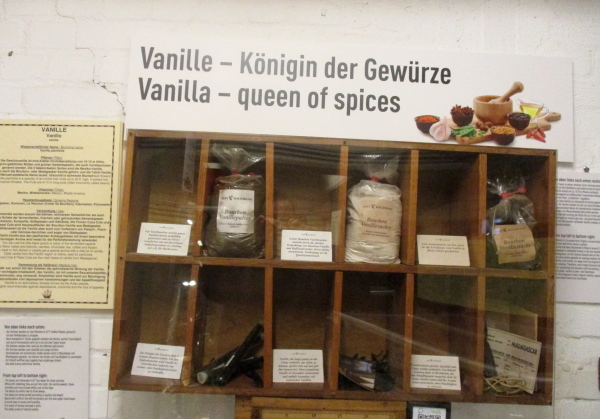
- Textured displays showing seeds, bark, and roots
- Storyboards with trader narratives and historical context
- Multilingual descriptions for international visitors
This makes the museum suitable for both adults and older children who can appreciate sensory learning.
How long does a typical visit take?
Most visitors spend:
- 60–90 minutes for a focused tour of the museum
- 2–2½ hours if combined with other Speicherstadt stops
Since the museum is part of a larger historic district, many tourists pair it with other nearby attractions, turning it into a half-day or full-day experience.
Ticket information and opening hours
Tickets are generally available on site. Some museums offer combined tickets with other Speicherstadt attractions. Opening hours vary by season, with longer hours in summer and shorter closures in winter; checking the official museum website ahead of time ensures up-to-date information.
- Adult tickets
- Discounted youth and family tickets
- Combination tickets with other museums
Is it family-friendly?
Yes — especially for school-age children and up. The interactive elements, sensory engagement, and stories about trade and exploration make it more engaging than typical history museums. Younger children may enjoy smelling and touching spices, but the historical context is often better appreciated by older kids and adults.
Best time to visit
- Morning: quieter and more relaxed atmosphere
- Midday: convenient if you want to combine lunch at a nearby café
- Afternoon: good if you plan multiple Speicherstadt stops
Weather does not strongly affect the visit since it is indoors, but pairing it with outdoor canal walks is best on nice days.
How to get there
By public transport
Speicherstadt and the Spice Museum are served by U-Bahn and buses. Stations like Meßberg or Baumwall are within walking distance. This makes it easy to combine with other central Hamburg attractions.
By foot
If you are already in HafenCity or near the Elbphilharmonie, walking to the museum is pleasant and scenic, taking you through historic canals and warehouse rows.
How to combine the Spice Museum with other attractions
The Spice Museum fits excellently into a broader Hamburg travel plan. A typical combined itinerary might look like this:
- Morning: Harbor cruise from Landungsbrücken
- Late morning: Visit Elbphilharmonie Plaza
- Early afternoon: Explore Speicherstadt and the Spice Museum
- Mid-afternoon: Visit nearby Speicherstadt Museum
- Evening: Dinner in HafenCity or the Portuguese Quarter
This type of itinerary makes good use of the day and combines historic, cultural, and culinary experiences.
Pros and cons of the museum
Pros
- Interactive and sensory experience
- Centrally located in a historic area
- Engaging for families and adults
- Great for food and culture enthusiasts
Cons
- Smaller in size compared to large museums
- May feel niche if you are not interested in spices or food history
Is the Spice Museum worth visiting?
Yes. If you enjoy cultural history, food heritage, or interactive museum experiences, the Spice Museum offers a unique and memorable insight into how spices shaped global society. Its location in the historic Speicherstadt adds architectural and scenic value to the visit.
It is especially recommended for:
- Food and culture travelers
- Families with older children
- History and trade enthusiasts
- Anyone curious about the global influence of spices
Hotels near Speicherstadt & Hamburg Center
Stay central for easy access to the Spice Museum and major attractions: