 Posted by
 Strasbourg is one of the most attractive and culturally rich cities in Europe. Located in eastern France, directly on the border with Germany, Strasbourg combines French and German influences in architecture, cuisine, language, and daily life. The city is best known for its historic old town, the impressive cathedral, and its role as a major European political center.
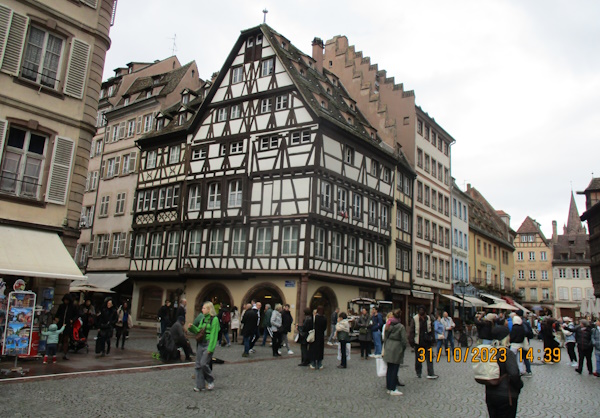
This very detailed English travel guide covers everything visitors need to know about Strasbourg: history, main sights, neighborhoods, food, practical tips, and how to plan a visit. The article is written in a clear, factual style and optimized for long-term SEO.
Tours & experiences in Strasbourg & Alsace
City tours, boat cruises, and cultural experiences in Strasbourg and the Alsace region:
Where is Strasbourg located?
Strasbourg lies in the Alsace region of eastern France, on the west bank of the Rhine River. The German city of Kehl is directly across the border, connected by bridges and tram lines.
- Approx. 2 km from Germany
- Approx. 25 km from the Black Forest
- Approx. 150 km from Stuttgart
- Approx. 500 km from Paris
This border location has shaped Strasbourg’s identity for centuries.
Why Strasbourg is unique
Strasbourg is not just another French city. Its character is defined by constant cultural exchange between France and Germany.
- Half-timbered houses next to French boulevards
- German-style hearty dishes with French finesse
- French language with Alsatian expressions
The city feels familiar to visitors from both countries, yet clearly distinct from either.
A brief history of Strasbourg
Strasbourg’s history is long and complex. Over the centuries, the city has repeatedly changed hands between France and Germany.
Key historical phases:
- Roman origins as Argentoratum
- Free imperial city in the Holy Roman Empire
- Annexation by France in the 17th century
- German control after 1871
- Return to France after World War I
This layered history explains much of Strasbourg’s architecture and political symbolism today.
Strasbourg Old Town – UNESCO World Heritage Site
The historic center of Strasbourg, known as Grande Île, is a UNESCO World Heritage Site. It lies on an island surrounded by the Ill River.
Main features:
- Narrow medieval streets
- Canals and bridges
- Historic squares and houses
The old town is compact and ideal for exploring on foot.
Petite France – the most famous district
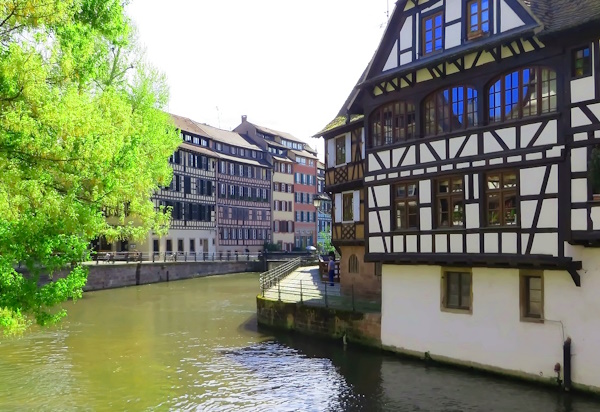
Petite France is the most photographed part of Strasbourg. This former craftsmen’s quarter features beautifully preserved half-timbered houses along canals.
Why visitors love Petite France:
- Picturesque canals
- Historic mills and bridges
- Restaurants and cafés
Strasbourg Cathedral (Notre-Dame)
The Strasbourg Cathedral is one of the most important Gothic buildings in Europe. Its single tower dominated the city skyline for centuries.
Highlights:
- Intricate sandstone façade
- Famous astronomical clock
- Panoramic views from the tower
European Quarter
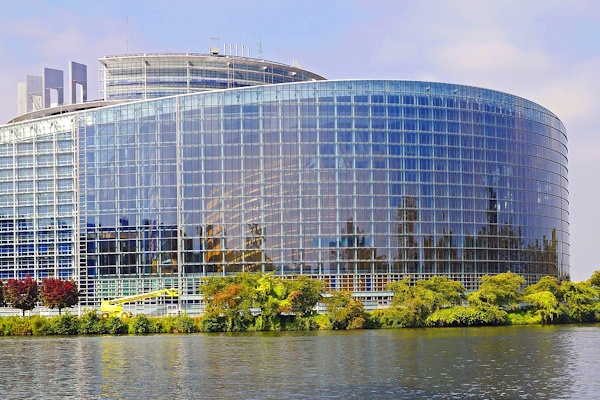
Strasbourg is one of the main political centers of Europe.
The European Quarter includes:
- European Parliament
- Council of Europe
- European Court of Human Rights
This modern district contrasts strongly with the medieval old town.
Boat tours on the canals
Boat cruises are one of the best ways to understand Strasbourg’s layout.
Typical features:
- 1–1.5 hour tours
- Views of Petite France and old town
- Multilingual audio guides
Boat tours are especially popular with first-time visitors.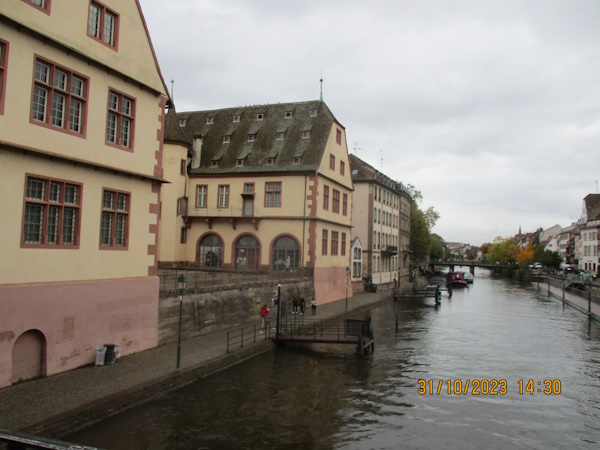 Some canals in Strasbourg are somewhat reminiscent of Venice.
Food and Alsatian cuisine
Strasbourg is the culinary heart of Alsace.
Typical dishes include:
- Choucroute garnie
- Tarte flambée (Flammkuchen)
- Baeckeoffe
Local wines from Alsace, especially Riesling and Gewürztraminer, are widely available.
Christmas markets
Strasbourg is famous for its Christmas market, often described as one of the oldest and largest in Europe.
During Advent:
- The city is heavily decorated
- Multiple market locations
- Very high visitor numbers
December is atmospheric but crowded.
How long should you stay in Strasbourg?
- Day trip: highlights only
- 2 days: relaxed sightseeing
- 3 days: city + Alsace excursions
Best time to visit Strasbourg
- Spring: mild weather, fewer crowds
- Summer: lively city, festivals
- Autumn: wine season
- Winter: Christmas markets
Getting to Strasbourg
By train
Strasbourg is well connected to Paris, Germany, and Switzerland.
By car
Easy access via French and German motorways.
By plane
Strasbourg Airport is small; many visitors use Frankfurt, Basel, or Stuttgart.
Where to stay in Strasbourg
Accommodation ranges from small guesthouses to international hotels.
Hotels in Strasbourg (Booking.com)
Compare hotels in the old town, Petite France, and modern districts.
Strasbourg as a base for excursions
Who will enjoy Strasbourg most?
- Cultural travelers
- City-break visitors
- Food and wine lovers
- History enthusiasts
Conclusion
Strasbourg is one of Europe’s most balanced cities: historic yet modern, French yet German, political yet relaxed. Its compact old town, strong food culture, and unique atmosphere make it an excellent destination for both short city breaks and longer regional trips.