 Posted by
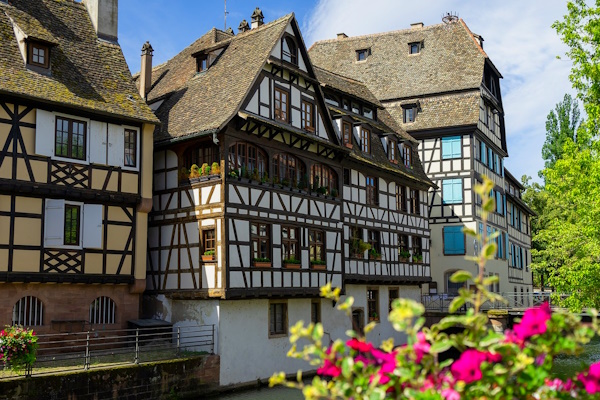
 La Petite France, is the most famous and most photographed district of Strasbourg. Located in the heart of the old town, this historic quarter is known for its canals, half-timbered houses, bridges, and narrow streets. For many visitors, La Petite France represents the classic image of Strasbourg.
This very detailed English travel guide explains the history of La Petite France, what makes the district special, what to see, how to explore it, and how to plan a visit. The text is written in a factual, easy-to-read style and optimized for long-term SEO.
Tours & experiences in Strasbourg
Guided city walks, canal cruises, and cultural experiences in Strasbourg:
Where is La Petite France located?
La Petite France lies on the western edge of Strasbourg’s historic center, on the Grande Île, which is surrounded by the River Ill and its canals. The district is within walking distance of all major sights in the old town.
- 5 minutes from Strasbourg Cathedral
- Directly connected to the canals
- Easily accessible on foot
Why La Petite France is so famous
La Petite France combines architecture, water, and history in a very compact area. Unlike large historic districts, it can be explored comfortably within a short time.
Main reasons for its popularity:
- Well-preserved half-timbered houses
- Canals and reflective water views
- Romantic bridges and squares
- Strong Alsatian identity
The district feels authentic rather than staged, despite its popularity.
The origin of the name “La Petite France”
The name “La Petite France” does not come from tourism or romantic associations. Historically, the area was linked to less pleasant aspects of city life.
Key background:
- Former district of tanners and millers
- Hospitals treating soldiers with syphilis
- The disease was called “the French disease” in German-speaking regions
Over time, the name lost its negative meaning and became associated with the picturesque quarter.
Architecture: half-timbered houses
The half-timbered houses of La Petite France date mainly from the 16th and 17th centuries.
Typical features:
- Wooden frames with slanted roofs
- Upper floors extending over streets
- Large attics used for drying hides
Many houses were restored in the 20th century, preserving their original character.
Canals and water system
Water plays a central role in La Petite France.
- Canals branch off from the River Ill
- Former mills powered by water wheels
- Bridges connecting small islands
The canals create reflections that make the district especially attractive for photography.
Covered Bridges (Ponts Couverts)
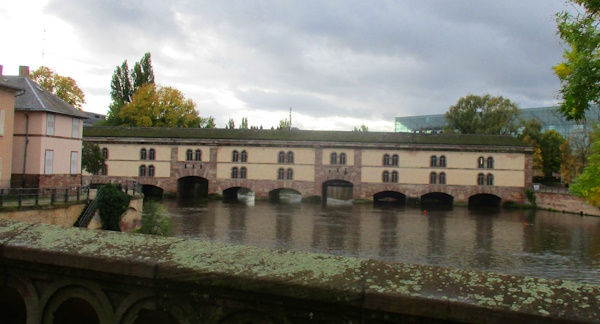
At the western edge of La Petite France stand the famous Covered Bridges.
Key facts:
- Date back to the 13th century
- Originally covered with wooden roofs
- Part of Strasbourg’s medieval defenses
The bridges connect La Petite France with other parts of the old town.
Vauban Dam (Barrage Vauban)
Next to the Covered Bridges is the Vauban Dam, a defensive structure built in the 17th century.
Why visit:
- Panoramic terrace on the roof
- Views over La Petite France and canals
- Free access
The terrace offers one of the best viewpoints in Strasbourg.
Walking through La Petite France
The district is best explored on foot.
Suggested walking route
- Start at Place Benjamin Zix
- Walk along Rue du Bain-aux-Plantes
- Cross the Covered Bridges
- Climb the Vauban Dam viewpoint
The entire route takes about 45–60 minutes.
Boat tours through La Petite France
Canal boat tours are a popular way to experience the district.
Typical features:
- 1–1.5 hour tours
- Audio guides in multiple languages
- Views from water level
Boat tours provide a different perspective than walking.
Restaurants and cafés
La Petite France has many restaurants serving Alsatian cuisine.
Common dishes:
- Flammkuchen (tarte flambée)
- Choucroute garnie
- Baeckeoffe
Prices tend to be higher than in less touristy districts.
Shops and souvenirs
The area includes:
- Small craft shops
- Wine stores
- Regional food products
Shops are generally tasteful rather than mass-market.
Best time to visit La Petite France
- Early morning: quiet and atmospheric
- Late afternoon: best light for photos
- Evening: illuminated canals
Midday can be very crowded, especially in summer.
La Petite France in winter
During the Christmas season, the district becomes part of Strasbourg’s Christmas market atmosphere.
- Festive decorations
- Christmas stalls nearby
- Very high visitor numbers
Accessibility
Most streets are flat, but:
- Some bridges have steps
- Cobblestones may be uneven
How long should you plan?
- Quick visit: 30 minutes
- Relaxed walk: 1–1.5 hours
- With boat tour: half day
Combining La Petite France with other sights
Who will enjoy La Petite France most?
- First-time visitors
- Couples
- Photographers
- Short city-break travelers
Who might be disappointed?
- Visitors seeking hidden, quiet districts
- Those avoiding crowds
Conclusion
La Petite France is the visual and emotional heart of Strasbourg. With its canals, half-timbered houses, and compact layout, it offers one of the most atmospheric historic quarters in Europe. Despite its popularity, the district retains a strong sense of place and remains an essential stop on any visit to Strasbourg.